
Emerging Disruptions in Smart Urban Infrastructure: The Rise of M2M Connectivity in Asia Pacific
Machine-to-Machine (M2M) connectivity is quietly emerging as a transformative, weak signal with the potential to disrupt multiple industries across Asia Pacific’s rapidly urbanizing environments. While smart cities and intelligent transport systems are widely noted, the underlying surge in M2M connections—devices communicating autonomously without human intervention—is reshaping urban planning, supply chains, and consumer markets in nuanced ways that have yet to reach broad awareness. This article explores how expanding M2M connectivity, coupled with dense urbanization and industrialization in Asia, could redefine strategic intelligence for governments, businesses, and society over the next two decades.
What’s Changing?
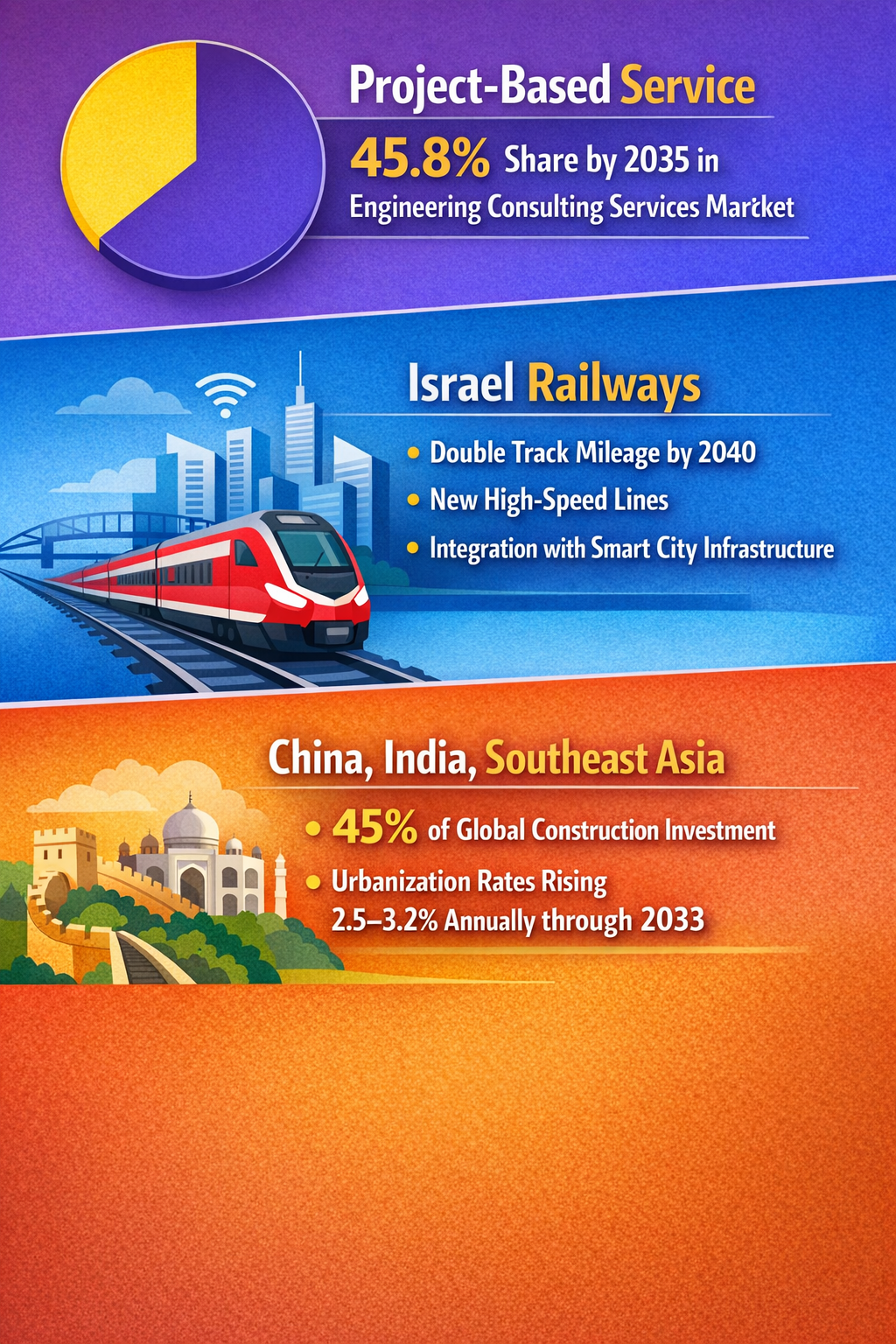
The Asia Pacific region is undergoing unprecedented urban transformation, fueled by accelerating construction investment in countries like China, India, and Southeast Asian nations, where urbanization rates climb between 2.5-3.2% annually through 2033 (Persistence Market Research). This urban growth drives demands for interconnected infrastructure, including green building materials and digitally managed public services.
Governments play a catalytic role in this evolution, aiming to achieve smart city ambitions that prioritize intelligent transport systems, connected infrastructure, and broad adoption of M2M technologies (Precedence Research). M2M connections facilitate autonomous data exchange between sensors, devices, and machines, enabling real-time monitoring and control of urban services. This extends from traffic management to emergency response systems adapting to mass casualty incident (MCI) scenarios (Cambridge Core).
The Arab firm Presight AI’s involvement in smart city projects such as the one in Albania illustrates the international scope and investment magnitude of these networks (Pamfleti).
The commercial side sees Asia’s rising middle class and private consumption, expected to nearly double globally in the next decade, interacting with digital supply chains and IoT-enabled packaging solutions that rely on M2M communication (Consultancy Asia; Strategic Packaging Insights).
In mobility, innovations such as Israel Railways’ ambitious plans to double track mileage with integrated smart city infrastructure point to future transportation ecosystems heavily dependent on autonomous machine communication (Autonomy Global).
Concurrently, new urban lifestyle patterns—such as the proliferation of cafes amid rising incomes—interact with consumer market dynamics in unpredictable ways, potentially amplified through digitally connected supply and demand chains (Green Coffee Beans News).
Why is this Important?
M2M connectivity can serve as the backbone of truly smart urban environments by enabling near-instantaneous data flows that optimize resource allocation, emergency responses, and traffic management. For disaster preparedness, integrating M2M-enabled emergency medical response systems could mean faster, more coordinated reaction to mass casualty incidents, potentially saving lives as urban populations swell.
The rapid industrialization and urbanization throughout Asia Pacific suggest that M2M networks could become the nervous system for interconnected factories (Industry 4.0), smart grids, and IoT-enabled consumer goods. Businesses that rely on real-time analytics for supply chain optimization might find competitive advantages by tapping into these networks earlier.
On a governance level, projects such as smart city implementations, involving heavy investment and international stakeholders, imply a shift toward data-driven policy environments where infrastructure decisions react dynamically to citizen behavior. M2M connectivity is foundational to managing diverse urban systems at scale.
Moreover, variability in urban consumer behaviors—shaped by digital commerce, income growth, and lifestyle trends—could be analyzed and influenced through M2M systems embedded in packaging, transport, and retail environments. This micro-level data offers unprecedented insight into shifting demand patterns, but also raises questions of data governance and privacy.
Implications
The convergence of robust M2M connectivity infrastructures with rapid urbanization implies a future where cities increasingly function as complex, data-driven organisms. Strategic planners in government and industry will need to:
- Invest in scalable and interoperable M2M networks: Early establishment of unified communication protocols will prevent fragmentation and enable smoother integration across urban systems and countries.
- Prioritize cybersecurity and data governance frameworks: With expanded M2M devices exchanging critical data, safeguarding against breaches and ensuring privacy will become central to public trust and system reliability.
- Leverage real-time data for disaster risk reduction: Integrating M2M-enabled emergency medical response into urban planning could enhance resilience to mass casualty incidents and other crises.
- Enable cross-sector collaborations: Transportation, construction, consumer goods, and healthcare sectors could synergize by harnessing shared M2M infrastructure and data pools.
- Prepare for shifts in consumer dynamics driven by IoT-enabled products: Companies should rethink marketing, inventory, and distribution strategies to capitalize on connected packaging and sensor-driven demand forecasting.
Failure to anticipate these shifts may result in missed economic opportunities and increased vulnerability to urban crises. Conversely, proactive adaptation could yield competitive and social resilience advantages.
Questions
- How can governments and businesses collaborate to standardize M2M communication protocols that scale across regions and sectors?
- What cybersecurity frameworks are necessary to secure vast M2M networks comprising millions of autonomous devices?
- How might M2M-enabled emergency systems redefine traditional disaster response roles and infrastructure investments?
- What new data privacy and ownership challenges will arise from increasingly embedded M2M connectivity in daily life?
- To what extent can M2M-driven real-time consumer analytics reshape supply chains and product designs?
- What role should international investment and governance play in shaping equitable smart city development powered by M2M technologies?
Keywords
Machine-to-Machine Connectivity; Smart Cities; Urbanization; IoT; Disaster Risk Reduction; Emergency Response Systems; Cybersecurity
Bibliography
- Scoping Review of the Essential Components of Emergency Medical Response Systems for Mass Casualty Incidents. (Cambridge Core)
- Machine to Machine Connections Market. (Precedence Research)
- IoT Enabled Packaging Market. (Strategic Packaging Insights)
- Green Building Materials Market in Asia Pacific. (Persistence Market Research)
- Presight AI Smart City Project in Albania. (Pamfleti)
- Southeast Asian Consumer Market Set for $5 Trillion Boom. (Consultancy Asia)
- Israel Railways and Smart Mobility Innovations. (Autonomy Global)
- Coffee Market Uncertainty 2026. (Green Coffee Beans News)